To understand Lalibela rock-hewn churches, person need look at the space around dem as well as the buildings. UNESCO World Heritage account describe eleven medieval churches wey dem carve inside Ethiopia mountainous landscape. This background analysis use the official record wey no get publication date, checked on 30 October 2026; no be new tourism announcement.
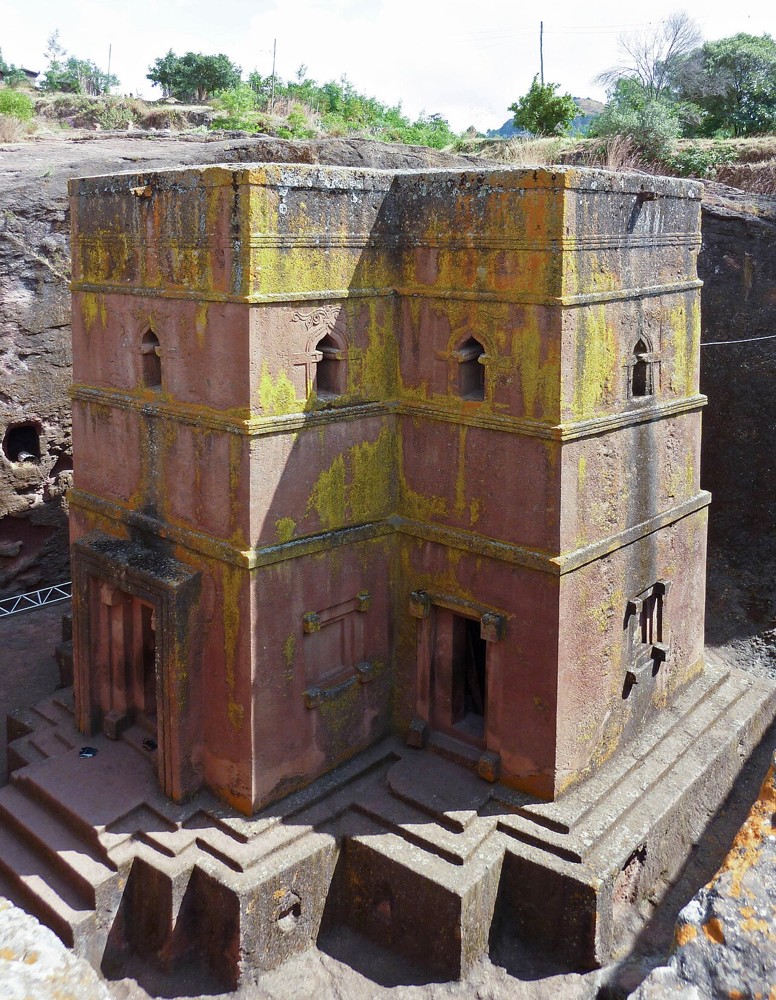
How dem build the churches na important part of their value. Instead of joining separate blocks to make normal walls, builders carve doors, windows, pillars and other parts from rock. Drainage channels, trenches and ceremonial passages carry the work beyond one building and connect architecture with movement through the site.
UNESCO describe two main groups on different sides of river wey dem call Jordan. Biete Ghiorgis, Church of Saint George, stand separate but trenches connect am. Im cross-shaped plan stand out, but to focus only on that familiar shape fit hide the connections among the other churches.
The settlement around the churches also get im own story. Traditional round houses wey dem build with local stone connect big monuments with everyday building history. To read the whole landscape go give better understanding than treating each church as separate object just for photograph.
UNESCO say pilgrimage and religious practice wey continue na important part of the place value. For visitor, that means approach am as place wey still carry sacred meaning. Buildings, paths between dem and people wey use dem belong to the same cultural setting, no be different attractions wey no connect.
Conservation add another layer: official account discuss water damage and how protective structures affect appearance. Those descriptions explain the challenge of protecting old material while preserving the setting, but no be current inspection. Lalibela value come from the stone, connected spaces and religious life together.