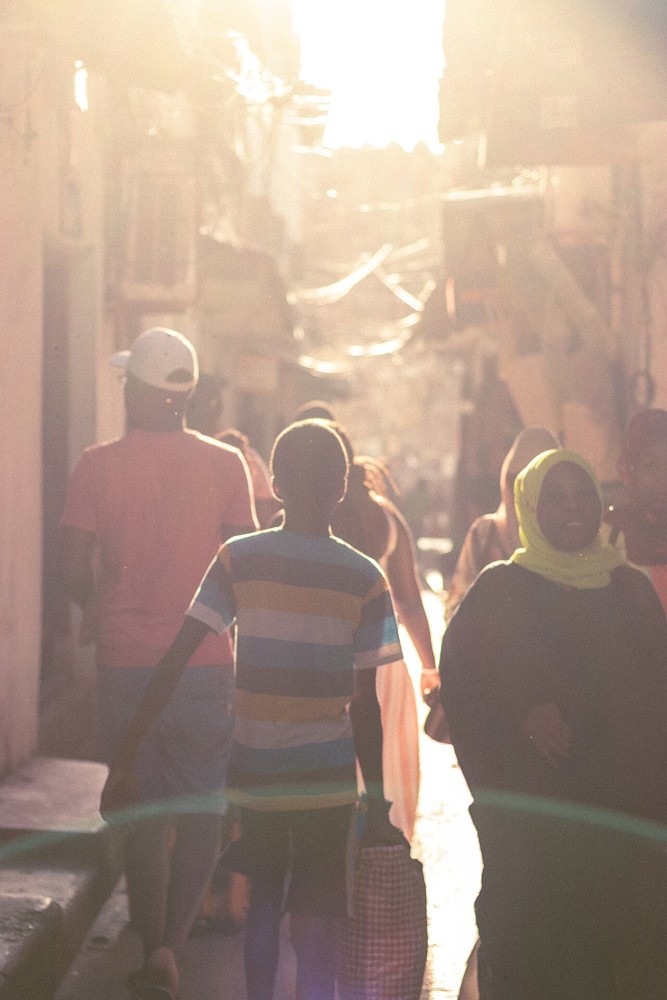
To understand Stone Town well, see am as trading town where people still live and where buildings and everyday uses develop together. UNESCO official account describe Swahili town for western side of Unguja island, Zanzibar. This background analysis use undated heritage record checked on 30 October 2026, no be new attraction announcement.
The architecture bring African, Arab, Indian and European influences together while the town still keep im regional identity. The important thing na how these traditions interact. Person fit read carved door or courtyard together with street and neighbouring buildings, instead of reducing everything to one cultural label.
UNESCO describe building materials like coral ragstone, mangrove timber and lime mortar, with plastered surfaces and special doors. Courtyard houses, shops and simpler Swahili homes create different kinds of space. These details explain why preserving historic town involve materials and craft knowledge, no be only keeping building shape.
The waterfront belong to the same story. Sea trade connect the town with other Indian Ocean shores, while narrow streets connect business and home life inside the town. Relationship between buildings, open spaces and access to sea na part of heritage value, no be just route between monuments.
The official account also stress say people still live and trade there. So tourists share space with people wey dey go their normal work and house business. To see Stone Town only as collection of attractions fit hide the pressure on housing, public space and businesses wey serve residents.
That one create lasting conservation question: how working town fit change and still keep the connections wey give am character? UNESCO mention development pressure, but the record no be current construction or access bulletin. The best starting point na connection between living community, buildings and history of sea trade.