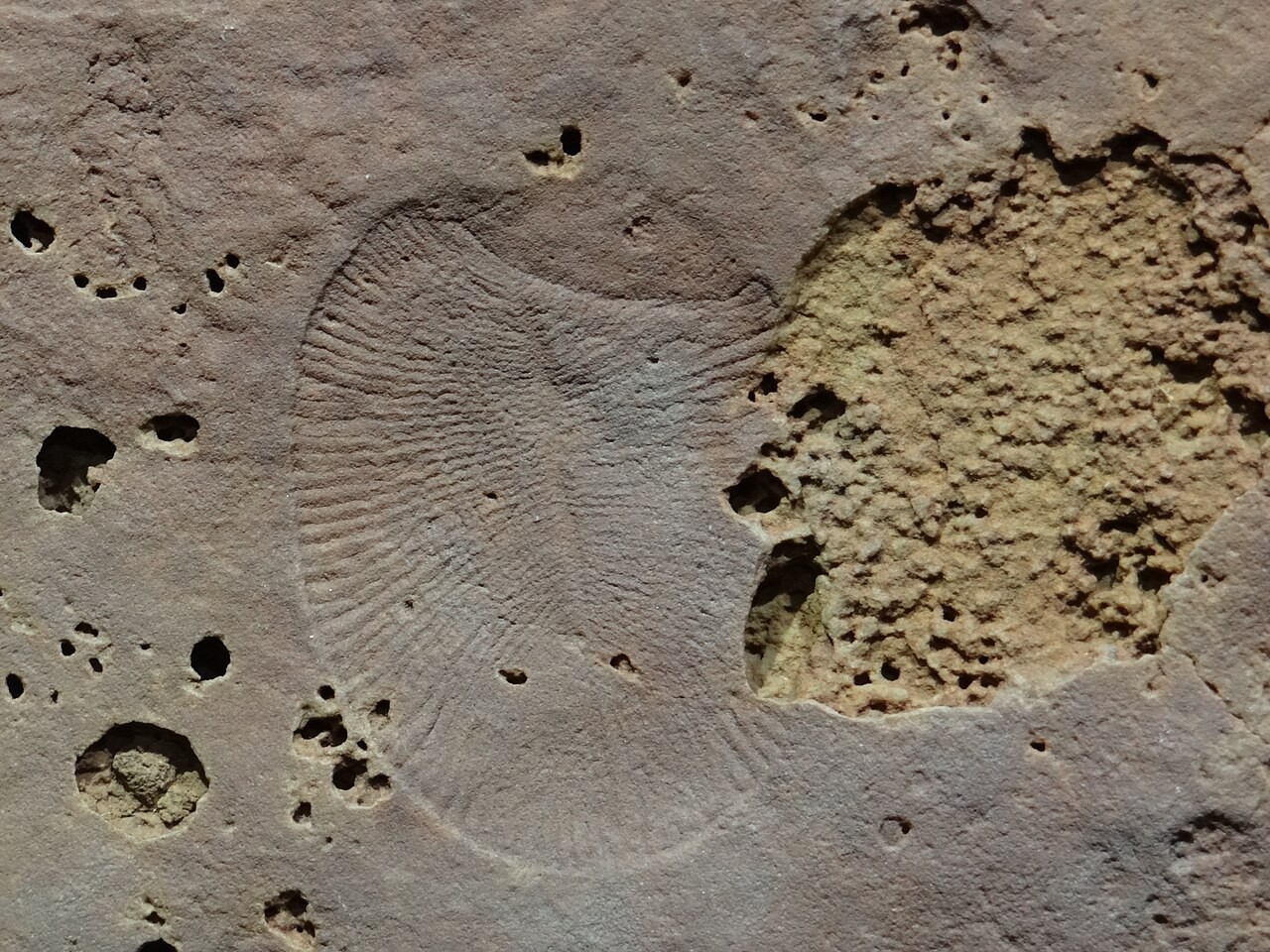
Why do some very ancient soft-bodied animals survive as detailed fossils, while many later examples disappear? A Cambridge-led study reported on October 8 proposes that changing microbial abilities helped reshape the chances of preservation. It offers an explanation to investigate, rather than a complete history recovered from every fossil site.
The research concerns collagen, a structural protein in animal tissues, and collagenases, enzymes that break it down. The team traced relevant genes across 700 bacterial genomes and compared their history with a dated evolutionary tree. The study appeared in Current Biology.
According to the researchers, these enzymes initially occurred in microbes unable to tolerate oxygen. In oxygenated settings, dead animal tissue could therefore persist longer before decay accelerated, leaving more time for processes that might preserve its form.
The team links a later spread of collagenases into oxygen-using bacteria with declining preservation of soft tissues around the Ediacaran-Cambrian transition. The proposed connection is that decomposers gained access to more environments, shortening the opportunity for fossilisation before remains broke down.
This changes how a missing fossil can be interpreted. An absence may reflect what happened after death, rather than proving that an animal never lived there. The study does not remove other influences such as burial conditions or imply that all younger soft tissue is lost.
The central discovery is a possible link between microbial evolution and the archive available to palaeontologists. Fossils record both ancient life and the processes that filtered its remains. Testing that connection helps researchers ask how much of an apparent biological change might instead be a change in preservation.