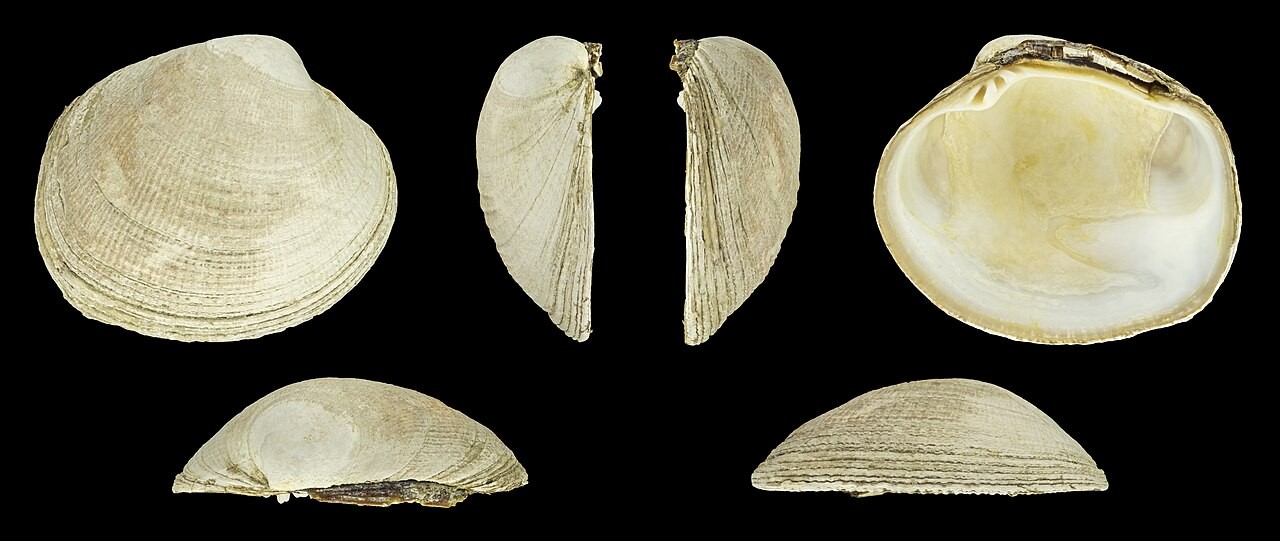
Crushed shells mixed into sand helped young Pacific littleneck clams grow larger shells in a UC Davis experiment described on October 29. The result concerns conditions around animals living in sediment, rather than a treatment that removes acidity from an entire ocean.
Researchers followed the clams for 90 days under four combinations of ordinary or acidified seawater, with or without added shell fragments. Comparing these groups allowed them to separate the effect of the water treatment from the contribution of the crushed shells.
The fragments changed the water occupying tiny spaces between sand grains. This local chemistry matters because a burrowing animal experiences conditions within the sediment, not simply those measured in the open water above it. The experiment therefore examined the clam's immediate environment.
The team also studied gene activity in tissue collected at the end. Clams in acidified water with shell fragments showed profiles similar to those in non-acidified conditions. That is evidence about gene expression, not a claim that the animals acquired new genes or became permanently immune to environmental change.
The university links the work to Indigenous coastal practices that have long used shell material. This framing matters: a laboratory explanation can investigate why an existing practice works without presenting that practice as something researchers have just invented.
The finding supports further study of local habitat management. Its practical value will depend on place, species and conditions outside the experiment. It offers a specific connection between sediment chemistry and clam growth, while keeping the much larger problem of ocean acidification in view.