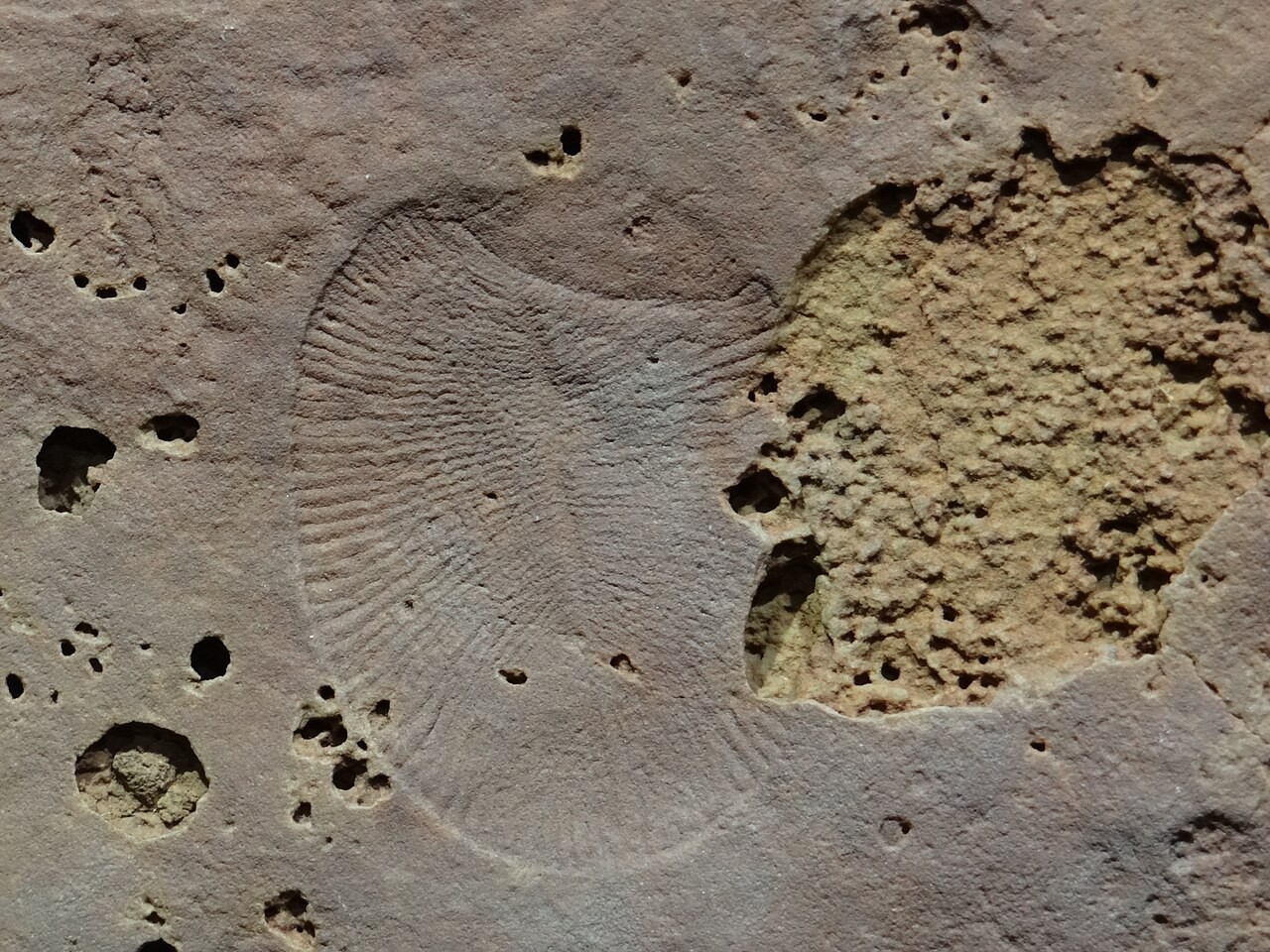
Why some very ancient soft-body animals remain as detailed fossils, while many later examples disappear? One Cambridge-led study wey dem report on October 8 suggest say changes in wetin microbes fit do affect preservation. Na explanation for researchers to investigate, not complete history wey dem recover from every fossil site.
Di work concern collagen, one protein wey support animal tissue, and collagenases, enzymes wey break am down. Di team trace related genes across 700 bacterial genomes and compare their history with dated evolutionary tree. Dem publish di study for Current Biology.
According to di researchers, di enzymes first dey for microbes wey no fit tolerate oxygen. For places wey oxygen dey, dead animal tissue fit therefore last longer before decay speed up. Dat extra time give processes wey fit preserve di animal shape more chance to work.
Di team connect later spread of collagenases into bacteria wey use oxygen with reduction in soft-tissue preservation around Ediacaran-Cambrian transition. Di proposed explanation na say organisms wey break down dead things gain access to more environments, leaving less time for fossil to form before remains scatter.
Dis idea change how person fit interpret missing fossil. Absence fit reflect wetin happen after death, instead of proving say di animal never live there. Di study no cancel other factors like burial conditions, and e no mean say all younger soft tissue disappear completely.
Di central finding na possible connection between microbial evolution and di evidence wey fossil researchers get today. Fossils record ancient life and di processes wey filter its remains. Testing dat connection fit help scientists separate real change in animals from change in di chances wey their bodies get to survive as fossils.