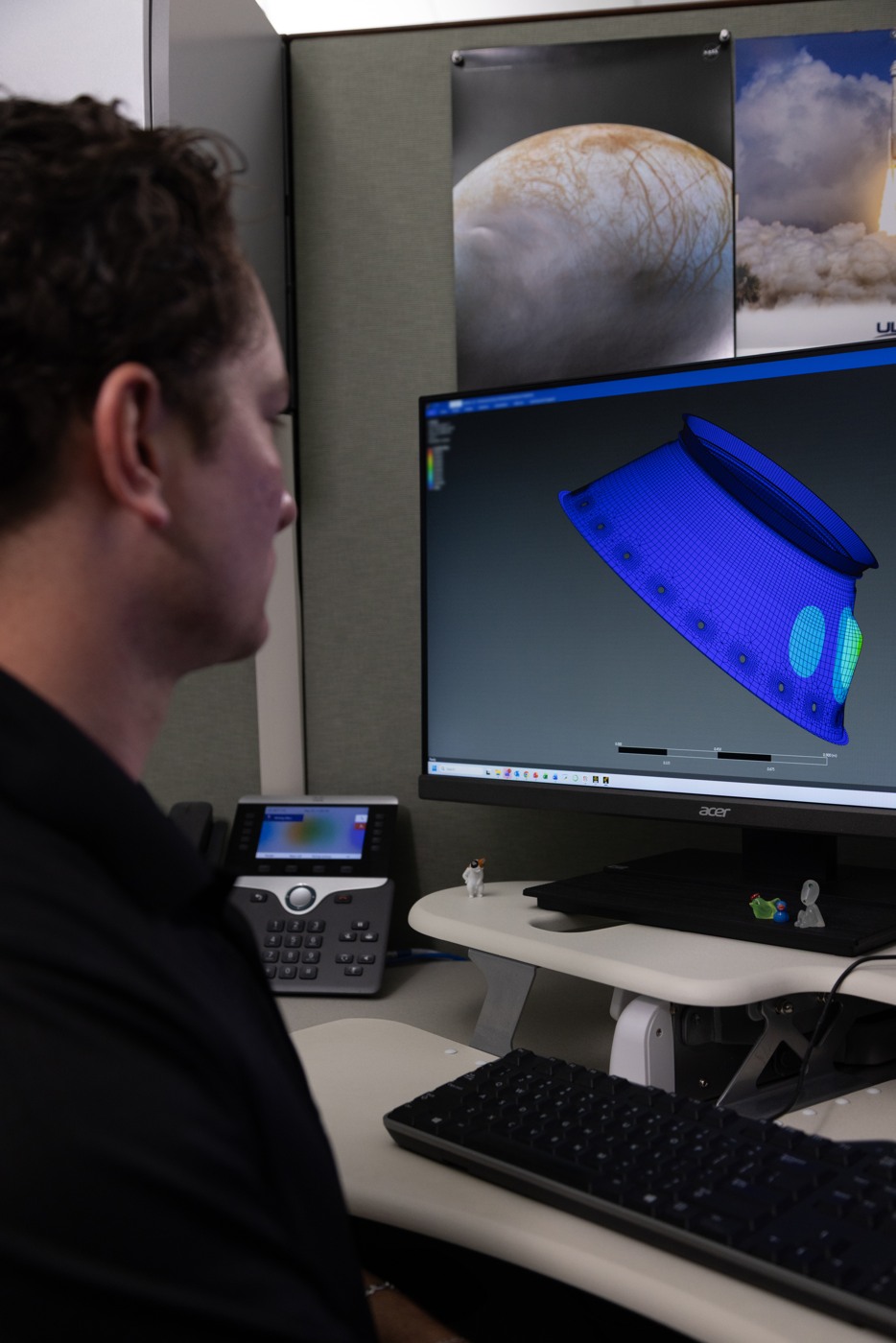
Spacecraft must survive more than the journey through space: they also endure the shaking, shocks and flexing of launch. NASA's October 19 account describes a revised computer-modelling workflow at Kennedy Space Center intended to help engineers investigate those forces more consistently.
The team is using an existing commercial tool in a new area of its work. The innovation described is a standardised process and templates, rather than a newly invented computer program. That distinction matters when assessing what has actually changed and what other teams might learn from it.
Finite element analysis breaks a complicated structure into smaller parts for calculation. Engineers assign properties and forces, then examine how the model responds. It can reveal behaviour that is difficult to judge intuitively, but its usefulness depends on the assumptions and evidence used to build the model.
NASA says the workflow helped during certification work involving a commercial launch provider. The available testing covered vibration, while further questions concerned shock. Modelling let the team compare possible conditions and examine structural behaviour without repeatedly rebuilding the analysis from the beginning.
A more consistent workflow can also preserve knowledge between projects. Specialists who use a complex tool only occasionally otherwise spend time relearning it. Shared templates help them organise the work and update assessments as new test or flight data become available.
The aim is to find weaknesses while hardware is still on the ground, when changes remain possible. Simulation is part of that process, alongside testing and engineering review. The announcement describes a practical improvement in analysis, not a guarantee that a launch can never fail.