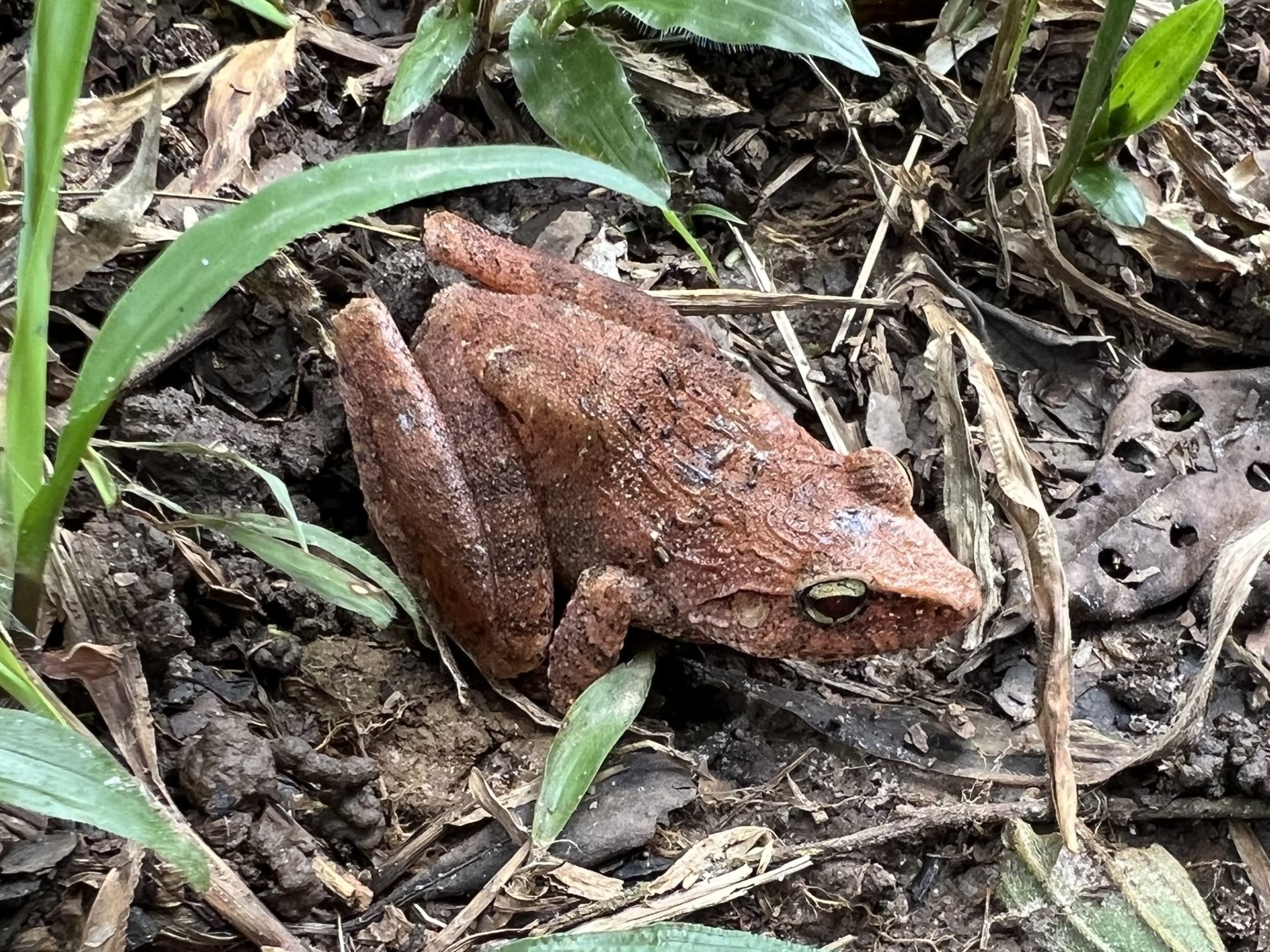
Specimens collected long before modern genetic tools can still answer new questions. An October 14 Smithsonian release describes research into frog declines at Brazil's Boracéia Biological Station, using museum collections to investigate events that unfolded decades earlier.
Researchers sampled more than 370 preserved animals representing 17 species, comparing collections from before and after the late-1970s decline. Earlier specimens showed no evidence of the chytrid fungus in the tests, while more than half of the 1980s specimens tested positive.
That timing supports the fungus as an important explanation for the local losses. It does not mean every historical decline across Brazil had the same cause. The researchers explicitly limit the conclusions to this site, where environmental factors could also have contributed.
Different species presented different patterns. Some that remained abundant carried infections, while the most sharply declining species lacked detected infections in the surviving collection. The authors suggest differences in tolerance and the chance of collecting an animal before it died could help explain this apparent contradiction.
Modern field visits found 12 of the 17 historically represented species. Failure to find the other five does not, on its own, prove extinction. It identifies a gap requiring further observation, while showing why present-day surveys and historical specimens need to be interpreted together.
The broader contribution is a method for investigating old ecological puzzles. Museums preserve evidence that may become useful for questions their collectors never anticipated. Careful comparison across time can strengthen an explanation without pretending that the surviving collection records every animal or every cause.