A golden object discovered on Alaska's deep seafloor in 2023 generated questions because scientists could not immediately identify it. NOAA's April 22, 2026 explanation identifies the specimen as material from the base of the giant anemone Relicanthus daphneae. This is a look back at that confirmed identification.
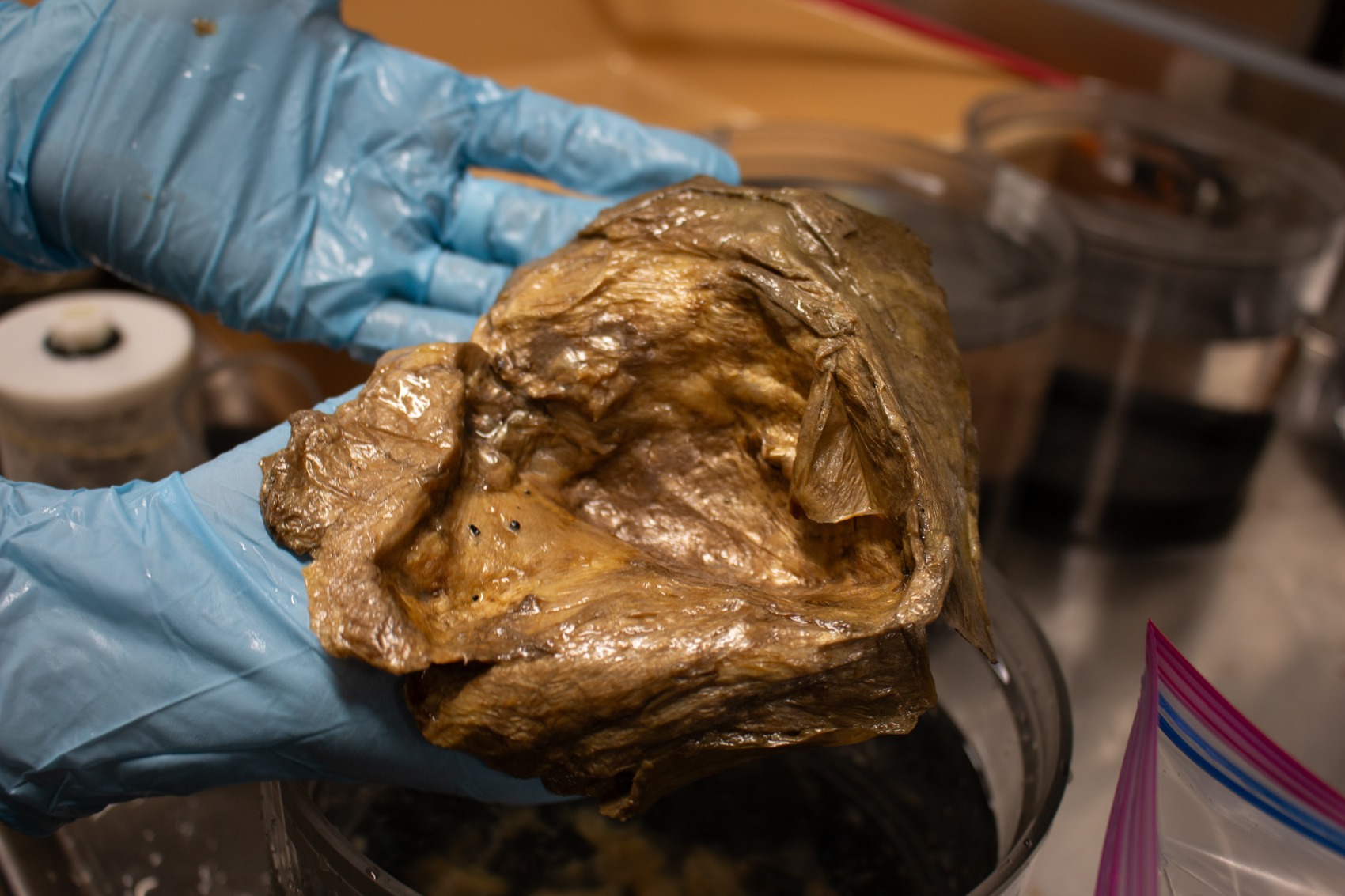
The object had been attached to rock more than three kilometres below the surface. A remotely operated vehicle collected it for examination. Bringing back a specimen allowed researchers to investigate its structure and genetics instead of relying only on the original underwater images.
Its layered, fibrous material contained specialised cells that directed attention toward a particular group of animals. The researchers then compared physical evidence with genetic results. Initial DNA barcoding was inconclusive, showing that an early test does not always settle an identification.
More extensive sequencing produced a strong match with the anemone, including comparison of mitochondrial genetic material. A similar specimen collected on another expedition helped the investigation. The combined evidence explained an unusual object that did not resemble a complete living animal.
The identification does not establish exactly what happened to the rest of the anemone. It may have died or moved away. Distinguishing that unanswered history from the identified material keeps the finding precise, without turning uncertainty into a more dramatic story.
The episode illustrates why collecting, preserving and re-examining samples matters in ocean research. A surprising shape can inspire useful questions, but its explanation may depend on several kinds of evidence. The result replaced speculation with a biological identity while leaving some details of the animal's life unresolved.