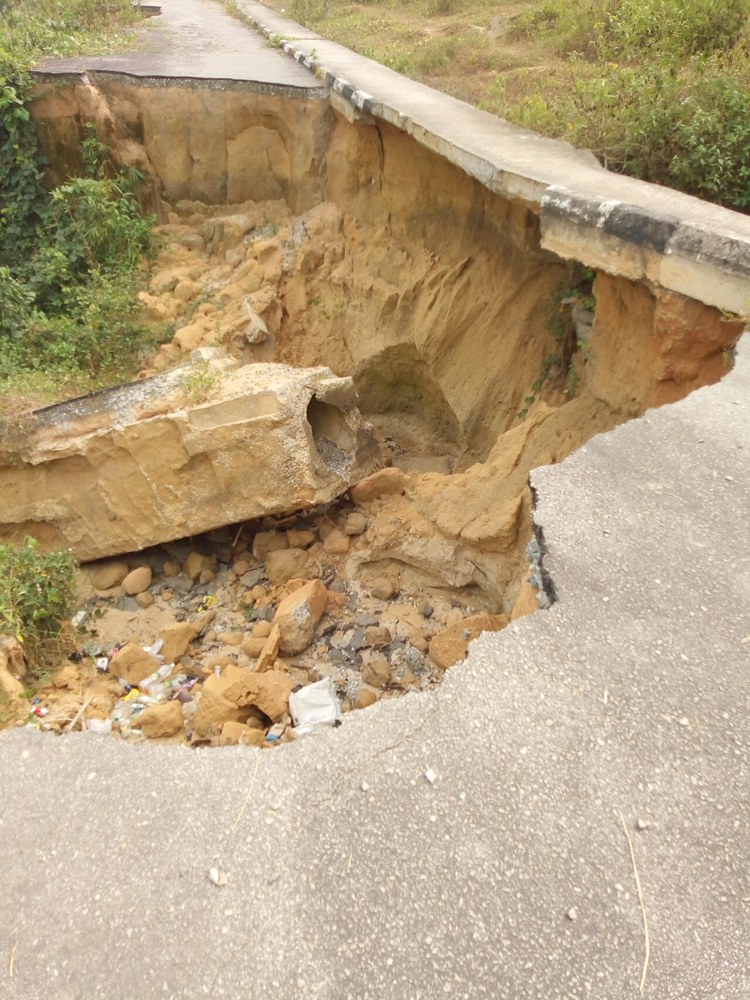
Nigeria’s ACReSAL programme is moving from validation of catchment plans towards selecting interventions for implementation. An October 15 statement describes consultations in Jos covering the final ten of twenty strategic catchments across twenty participating states.
Officials said the plans provide a framework for addressing pressures including land degradation, erosion, flooding and drought. The Jos discussions were intended to identify feasible priorities and agree an implementation pathway, recognising that available resources cannot fund every recommendation at once.
The programme said selected interventions would be discussed with state-level advisory teams before physical investment. The aims include policy endorsement, alignment with budgets and counterpart commitments. The source therefore records planning decisions in progress, not completed construction across all the catchments.
A catchment follows the movement of water rather than a government boundary. That makes cooperation between institutions important when an intervention in one area affects another. Agriculture, settlement planning and water management can involve the same landscape even when different agencies oversee them.
Prioritisation also requires explaining the choices made. Communities can better assess a programme when they know why one intervention comes first, what it is expected to achieve and how its effects will be monitored over time.
The next useful evidence is the agreed project sequence, institutional responsibilities and financing arrangements. A validated plan is a foundation for action, rather than the final outcome. The programme’s environmental value will emerge through implementation and continued management of the land and water systems the plans cover.