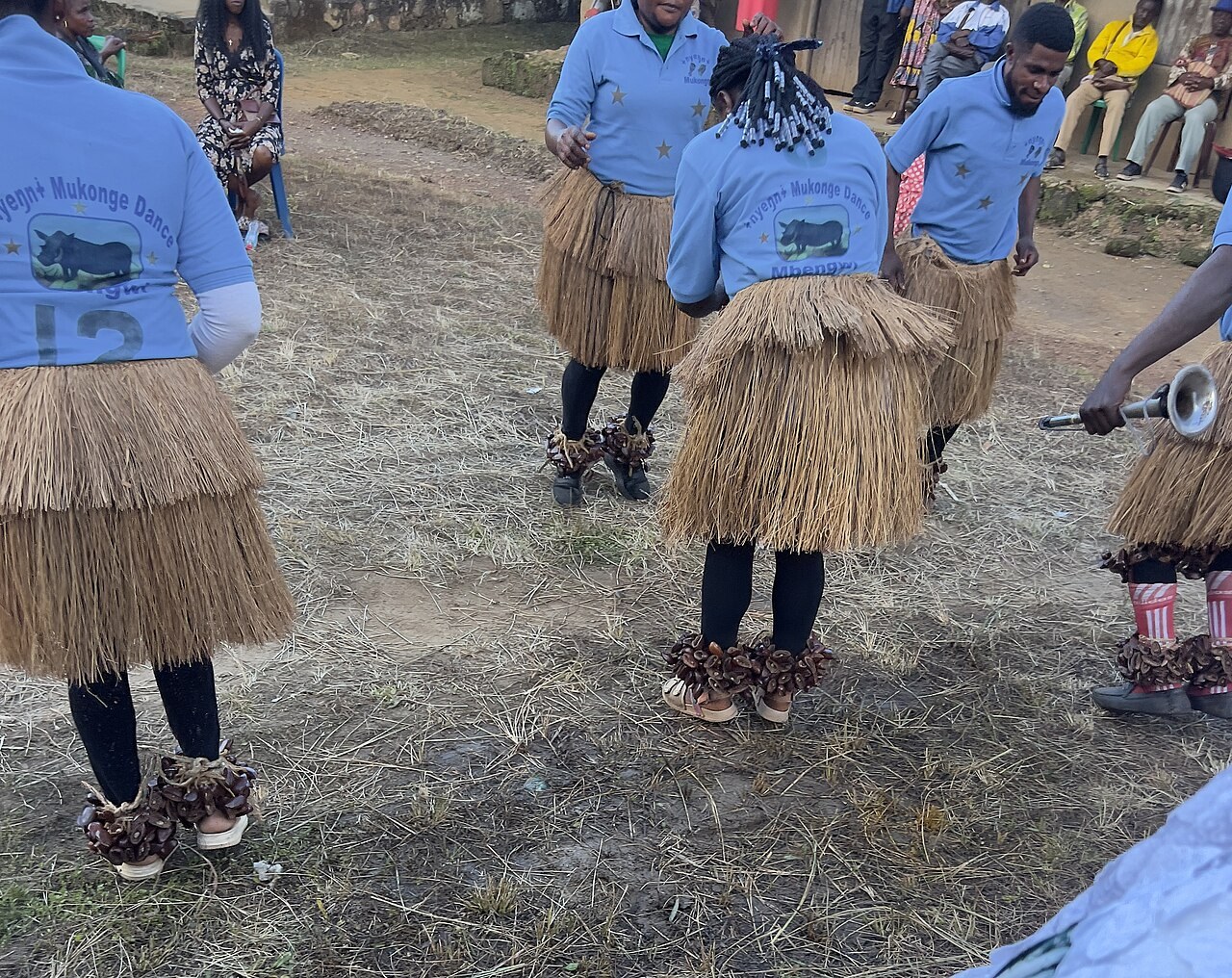
An August 26 Global Voices report by Julienne Honba follows a July 26 dance gathering in Olem, near Ebolowa in southern Cameroon. The account offers an archive view of the holiday events known as bals dansants. Their significance lies in an ordinary community meeting place, where music brings people together without the elaborate structure of a major festival.
Visitors came from surrounding communities and from cities including Ebolowa and Yaounde. Some treated the evening as an established holiday habit; others were discovering it through friends. That mixture matters because a tradition can continue through both repeat participation and new arrivals. It does not need every attendee to share the same history with the village.
The informality of the event did not mean that it organised itself. A local team discussed practical arrangements, including space and safety, while access to suitable sites could involve village chiefs. The report describes familiar dates but changeable locations. Behind the apparent ease of a dance night, people still have to coordinate permission and the use of shared space.
Temporary bars and refreshment sellers formed another part of the evening. Their customers were not separate from the cultural gathering: they were the people moving between conversation and dancing. This connects a social occasion to small earning opportunities, although the report does not provide a measured total for the event's economic contribution or vendors' profits.
Transport created a further limit. Honba reported fewer options at night and higher fares for visitors travelling from Ebolowa. Those observations belong to the event and reporting period, not a current travel-price guide. They show that willingness to attend and the practical ability to reach a gathering are different things, especially once daytime services have reduced.
The larger cultural point is that continuity depends on people doing the work of meeting. Digital communication may spread information, but it does not replace the shared physical space described in Olem. The archive account preserves an example of young people maintaining that space through participation, organising and everyday commerce, rather than through an official festival programme alone.