A January 25 Global Voices interview with Ramata Diallo challenges the idea that African fashion can be described through a few familiar garments or prints. Diallo's Africa Fashion Tour is a media initiative that gives industry professionals space to discuss their work. Revisited as an archive analysis, the interview offers a useful distinction between recognising a visual symbol and understanding the businesses behind it.
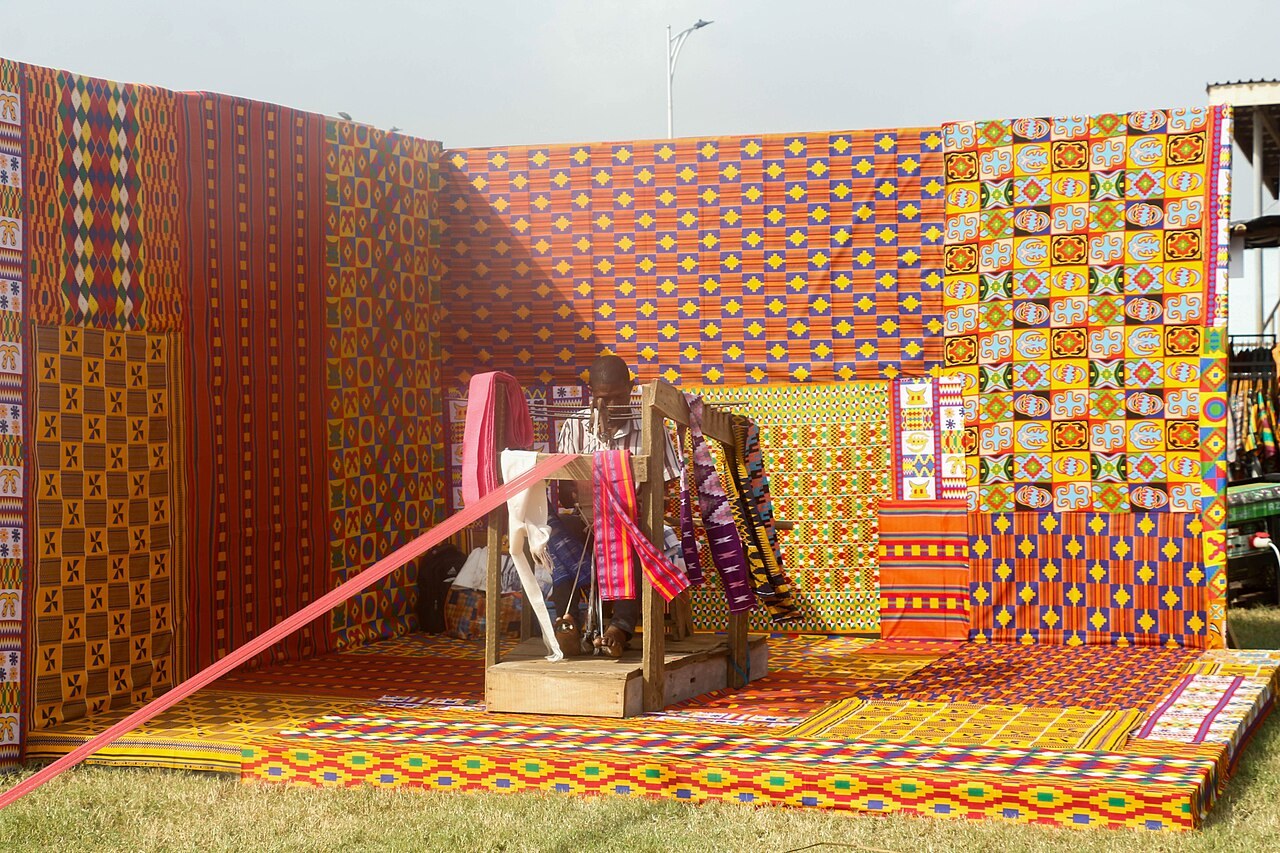
Diallo highlighted Guinea's Leppi and Ghana's Kente as textiles involving substantial handwork. Their value is not explained by colour or pattern alone: production time and specialist skill form part of the finished object. Looking only at the runway image can therefore hide the processes that make a garment possible and shape how it can be produced.
She also emphasised the relationship between designers and clients. A designer may help develop both the garment and the way a customer wears it. That service dimension complicates comparisons based only on the number of units sold. The exchange includes knowledge of a person and an occasion, not merely the transfer of an item from a shelf.
The interview connected visibility to business opportunities through collaborations, public appearances and social media. Diallo's claim is that exposure can help bring orders and change how brands are perceived. That is an industry participant's assessment, rather than a dataset showing that every campaign converts attention into sales. Visibility and commercial sustainability still need to be examined separately.
As an example of international presentation, she cited the 2025 Africa Now pop-up at Galeries Lafayette in Paris, involving 15 designers over three weeks. She linked limited collections to existing ways of working among African brands. The example supports a discussion of production scale without implying that every designer uses the same model or serves the same customer.
The argument finally returns to local agency: fashion weeks in African cities already host their own codes, trends and audiences. Designers can address local buyers, diaspora customers and wider markets without being reduced to a single continental style. The interview's central contribution is to make that diversity visible while keeping the craft, relationships and commercial work in the same frame.