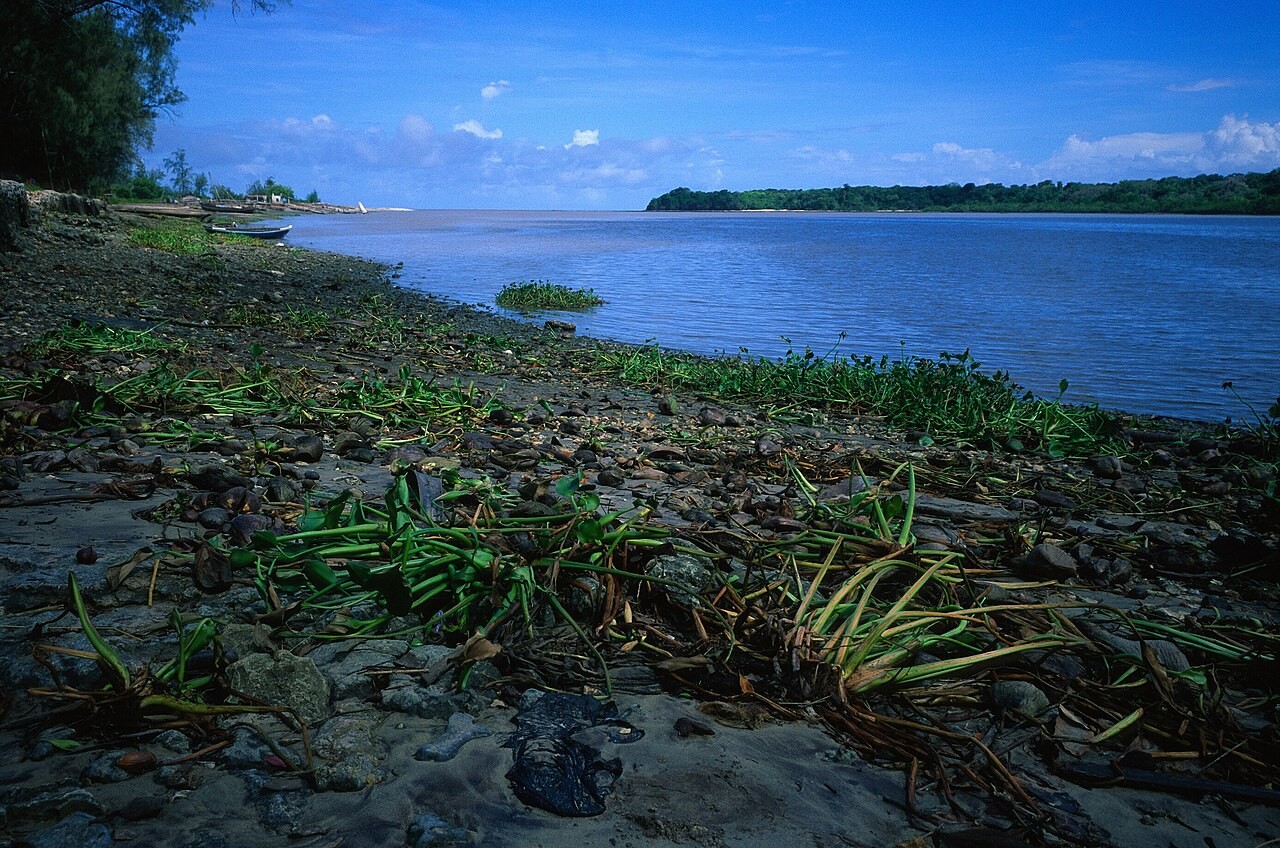
A September account from Pangani, Tanzania, shows how coastal change can alter work long before a community decides whether to relocate. In its 21 September report, UN News described farmers facing smaller coconut harvests and fishers finding familiar waters less dependable. This analysis revisits that reporting; it is not a new damage assessment.
The UN Environment Programme said seawater had moved roughly eight kilometres inland along the Pangani river. Residents described salt reaching agricultural land and mangroves appearing where coconut trees had grown. One farmer linked falling production with a reduced ability to meet household expenses, illustrating how environmental change becomes an income problem.
Fishers described a different part of the same landscape: eroding anchorage areas and changes in where they found fish. Their accounts matter because a coast is more than a line on a map. Fields, landing places, freshwater and access routes support connected activities, so damage to one can affect others.
UNEP described support for mangrove planting and coral restoration alongside built defences such as seawalls. The article also recorded local experience of unsuccessful planting in unsuitable terrain. That contrast points to a planning question: a measure that helps one location should not automatically be assumed suitable for every part of a coastline.
Some residents asked for compensation and the chance to move; another wanted protection for the harbour. These were demands recorded by reporters, not announcements that a relocation scheme or new seawall had been approved. Keeping those categories separate is essential when assessing what assistance households can actually expect.
Pangani's experience suggests adaptation planning needs to discuss livelihoods and location together. Protecting an asset, restoring habitat and moving a household involve different choices. The September evidence supports the need for locally informed decisions, but it does not settle which option should be adopted on every riverbank or establish what has happened since publication.