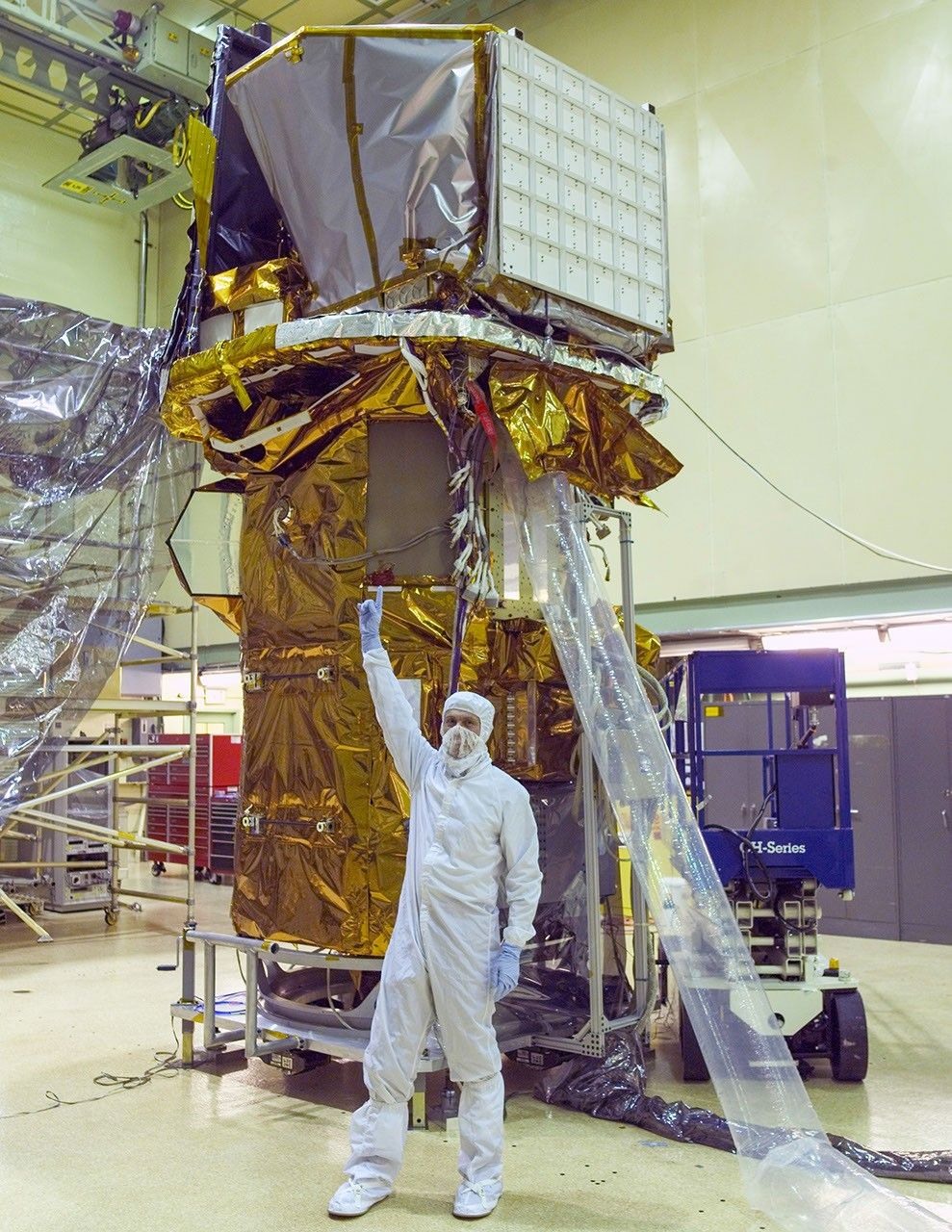
NASA Neil Gehrels Swift Observatory don end its science mission. October 23 announcement say the final observation happen October 20. The spacecraft low orbit now expose am to atmospheric drag wey no let telescopes point steadily enough to continue the kind of astronomical observation dem need to do.
Swift launch November 2004 to investigate gamma-ray bursts, powerful flashes wey no last long for universe. Its special strength na speed. E fit detect burst, tell other observatories where to look, then turn its own instruments toward the place before the remaining light fade too much.
That quick response help scientists study events wey normal observing timetable fit miss. Swift work across different wavelengths, joining information from X-rays, ultraviolet and visible light. When researchers look at changing source in several ways, dem get more evidence than one photograph alone fit provide.
The mission also observe exploding stars, active galaxies and stars wey black holes tear apart. Flexible scheduling let researchers request urgent observations or watch the same source repeatedly. NASA say archive contain nearly 22 years of measurements and more than 1.5 million ultraviolet and optical images.
End of observation no make those records useless. Researchers fit compare old events with new discoveries, revisit questions and combine Swift measurements with other missions. The public archive remain part of the observatory science contribution even when the spacecraft no fit collect useful fresh observations again.
NASA expect re-entry within weeks of its announcement, but forecast no be confirmation say e don happen. The immediate milestone na end of science operations. Other instruments and future capabilities go need help fill Swift rapid-response role, while the data wey e already gather continue to support research.