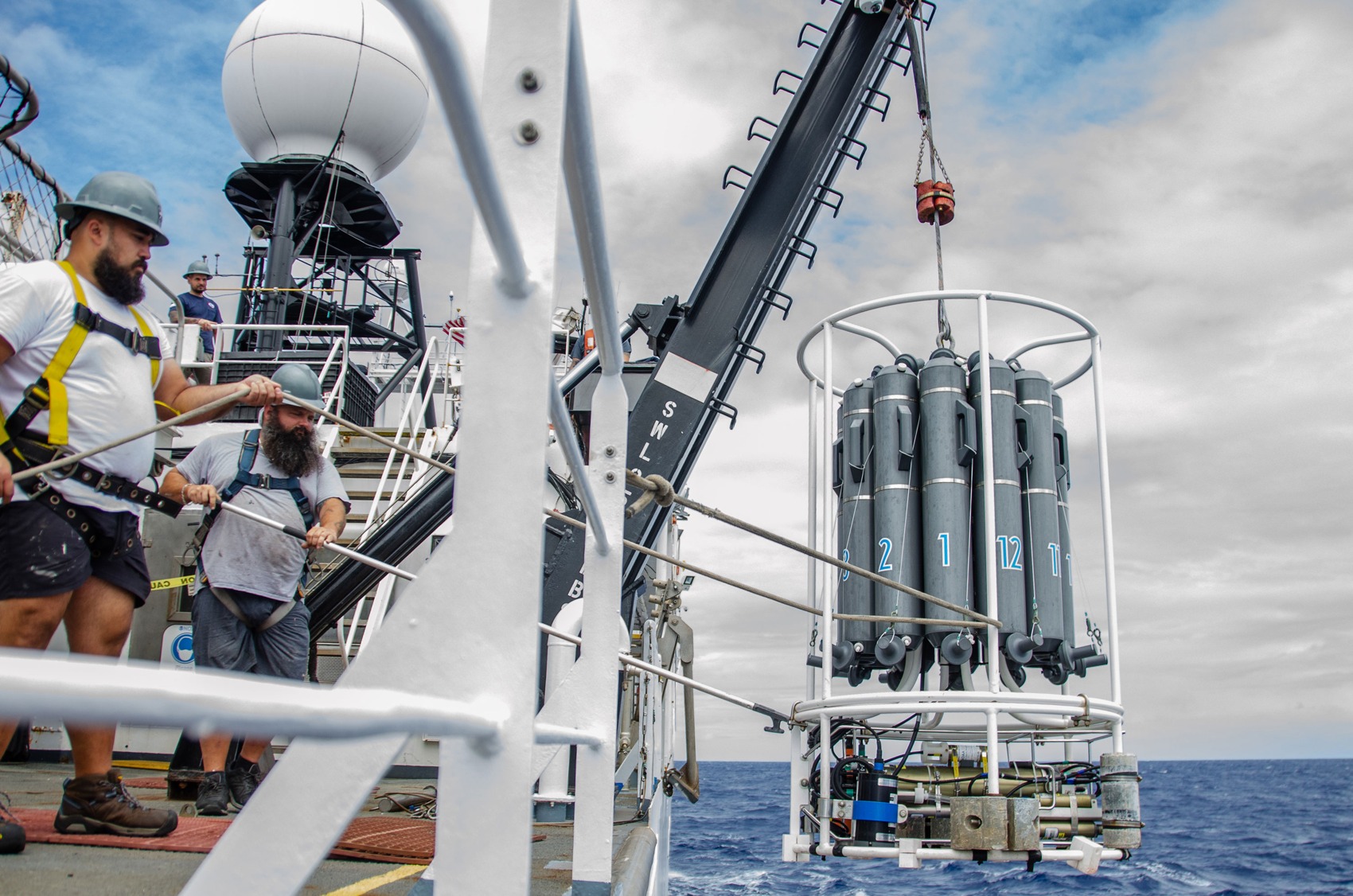
NOAA announce Ocean DNA Explorer on October 21 to handle practical problem for marine research. Collecting genetic traces na only one part of the work. Before scientists compare results, dem need consistent records of where each sample come from and how researchers process am.
Environmental DNA come from things organisms leave for their surroundings, including tissue, mucus and waste, plus whole microorganisms. Researchers collect this material from seawater or sediment to investigate which organisms get genetic traces there. E add another way to study biodiversity beside direct observation.
The portal arrange data into projects, samples and taxonomic records. Each sample entry include where and when dem collect am, ocean conditions dem measure, and details of processing, sequencing and analysis. Such context help users judge differences between samples instead of comparing names without background.
NOAA Ocean Exploration supply data from six Okeanos Explorer expeditions between 2021 and 2023. The data already dey global databases, but new interface make search, analysis and visualisation easier. So new portal no mean say scientists just collect every observation wey person go see inside.
Users fit browse tables, search across records and display results for maps. Visual tools include different plots and charts. Advanced users also get sequence-search and export options. Standard metadata aim to make records work with bigger biodiversity databases and make research easier for other people to reuse.
The service still dey early stage, with more contributors and functions expected. NOAA describe direct sharing with Ocean Biodiversity Information System as future improvement. The immediate achievement na common place to work with existing marine DNA data, where sampling context still follow the genetic detections.