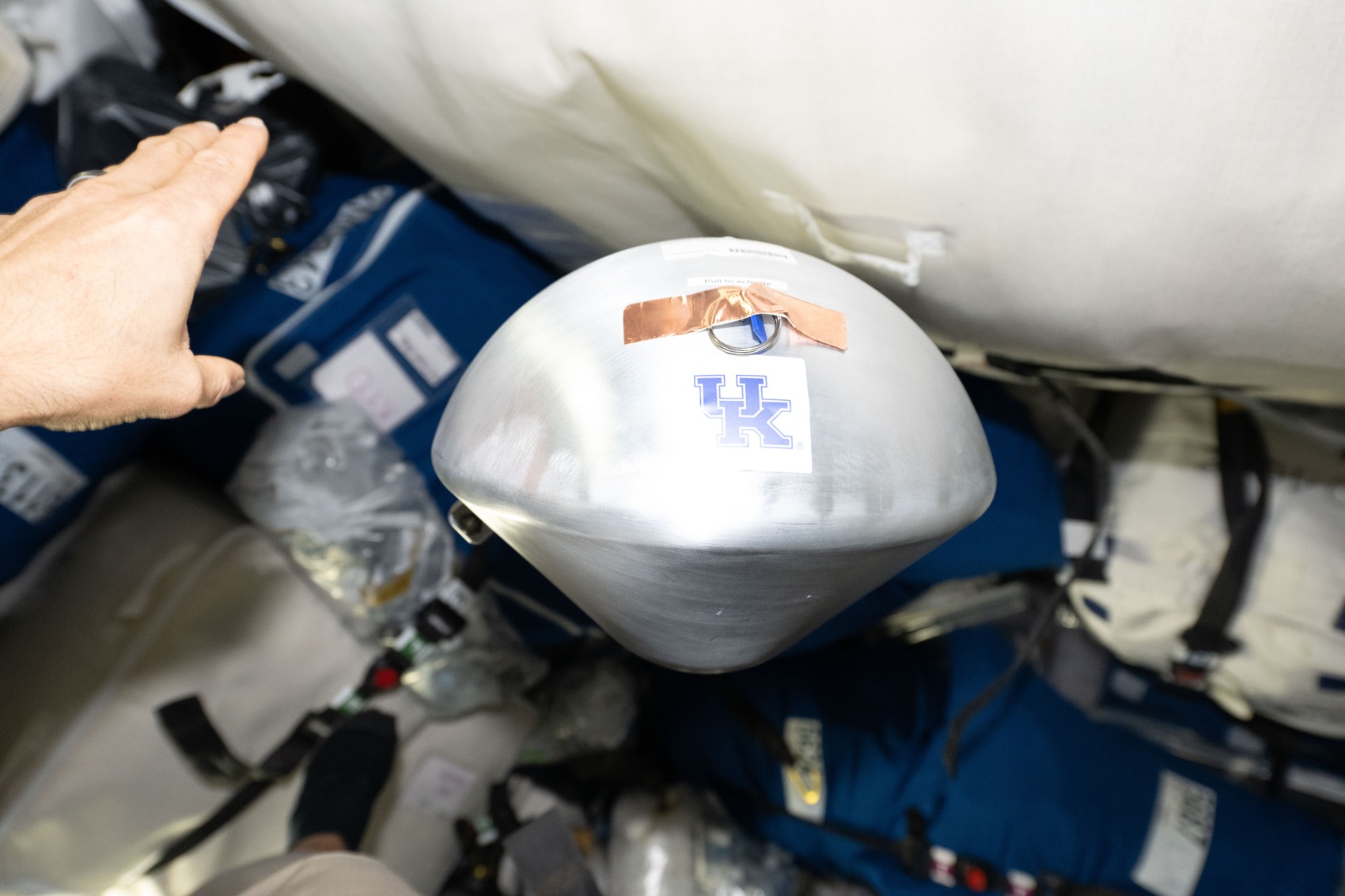
NASA account of October 9 describe plan to use cargo spacecraft wey dey depart as transport for twelve small atmospheric-entry experiments. The KREPE-3 capsules dey aboard Cygnus XL-24. When dem finally dispose of the cargo vehicle, that environment fit test different heat-shield ideas.
As cargo vehicle break apart during planned reentry, dem design the capsules to separate and collect measurements. Instruments record temperature, pressure, movement and other quantities, then send information through satellite network. The aim na useful data, no be to recover perfect laboratory samples from ground.
Different capsules carry different protection systems. One material called MERINO use carbon-phenolic structure wey dem build around stitched felt. Another shield use three-dimensional printing method from work involving NASA Johnson Space Center and Oak Ridge National Laboratory. These na experimental approaches, no be finished products for sale.
The experiment also check shape and stability. Designs include dual-cone capsule with tungsten tip and another shape related to Dragonfly aeroshell. Such configurations fit help researchers understand how small vehicle behave when conditions dey change quickly as e descend through atmosphere.
Another approach, ADEPT, open umbrella-like structure to increase surface wey help slow vehicle down. Testing several concepts for one flight fit supply evidence for comparison. But researchers still need consider differences between designs and the exact paths each capsule take when dem interpret measurements.
The October source explain how the experiment suppose work; e no give final performance report for all twelve capsules. This difference matter. KREPE-3 na technology investigation, and its real value go depend on information wey actually reach researchers and the analysis dem do after descent.