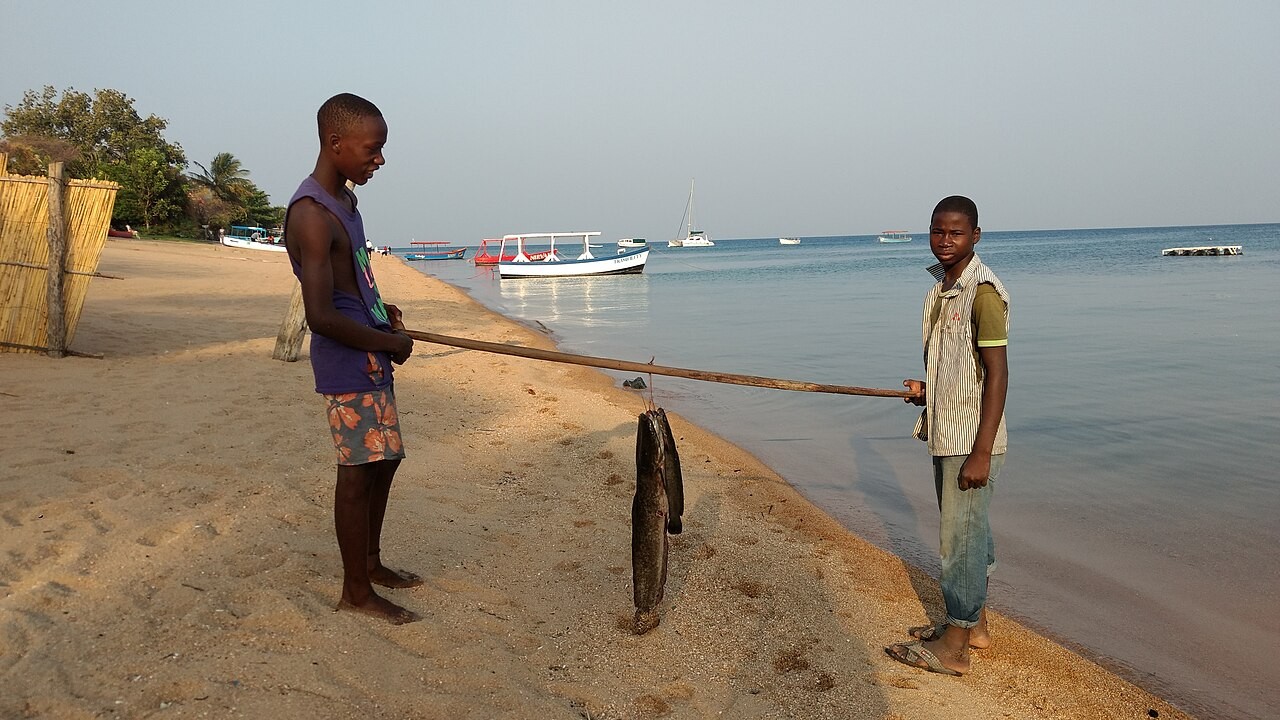
Lake Malawi National Park hosted a management-training programme in 2026 that brought the needs of the lake, its wildlife and neighbouring communities into one review. UNESCO's May 5 account described online sessions from February to May and an in-person workshop in Mangochi from April 20 to 24.
More than 30 participants came from government, universities, civil society, non-governmental organisations and local communities. Malawi's departments responsible for national parks and wildlife, museums and monuments, and fisheries helped organise the training. That mix reflected a protected area where conservation and livelihoods overlap.
During the workshop, participants began using the Enhancing Our Heritage Toolkit 2.0 to examine the park's management system. The review covered heritage protection, pressures affecting the site, governance, planning and monitoring. Its purpose was to identify gaps and practical priorities rather than award a new tourism designation.
The park joined the World Heritage List in 1984. Its freshwater importance centres on cichlid fish, including many species unique to Lake Malawi. UNESCO's site description also explains the landscape's variety: rocky shores, sandy bays, wooded slopes, swamps and lagoons are part of the same ecological setting.
The training was organised with Malawi, ICCROM and IUCN, with Norwegian and Dutch support. UNESCO expected the findings and earlier community fish-conservation work to inform an updated management plan. Further May sessions were intended to complete the assessment and integrate climate considerations; the announcement did not certify a finished plan.
For visitors, this provides context behind the lakeshore scenery. The park is both a wildlife habitat and a place connected to fishing communities. Understanding those relationships gives the destination more depth than a beach description, while keeping the training's stated objectives separate from outcomes still requiring confirmation.