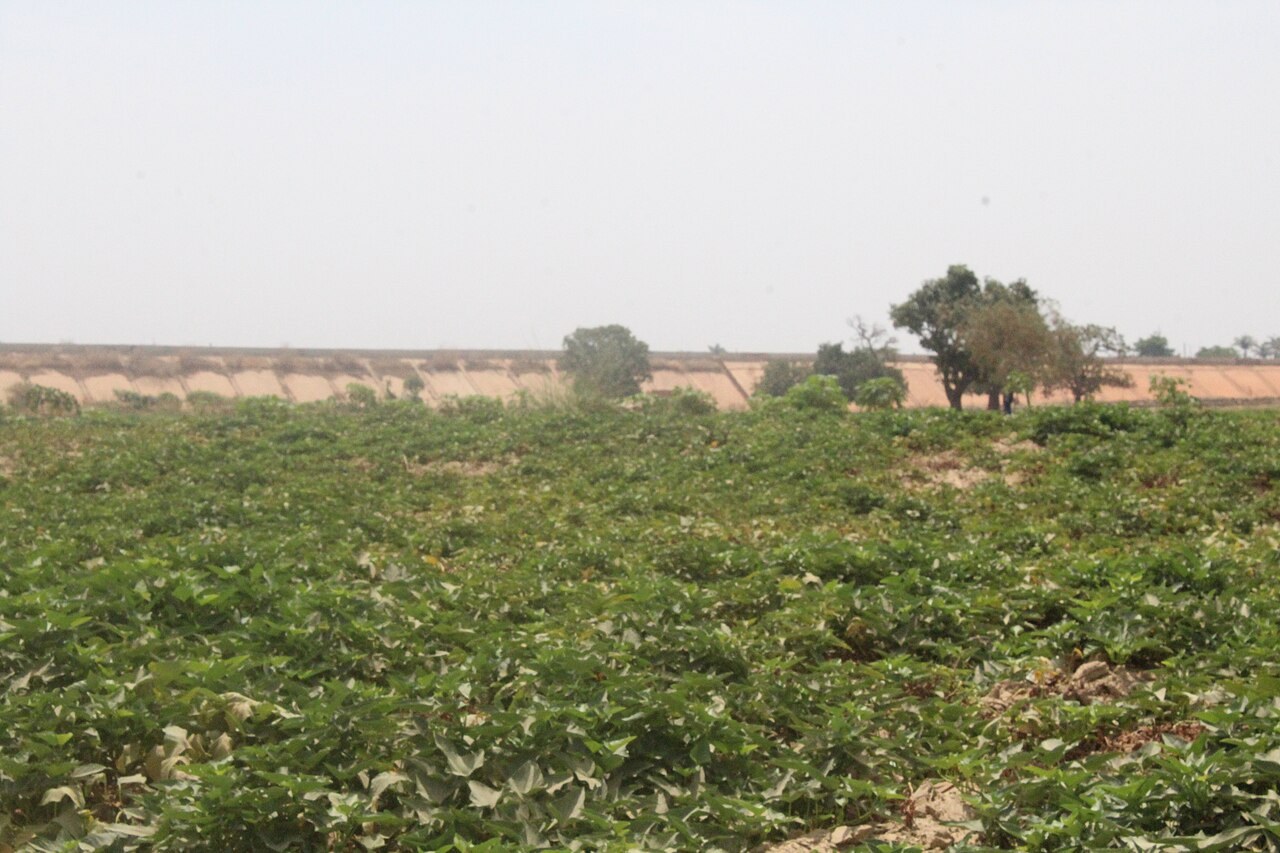
The North West Development Commission has brought agricultural research and development institutions together to prepare a regional framework. An October 27 statement describes a meeting in Kano involving organisations including IITA, ICRISAT, HarvestPlus and Nigerian research and extension institutions.
Participants agreed to develop a practical approach covering agricultural modernisation, irrigation, value chains and opportunities for women and young people. The commission pointed to land, water infrastructure and research capacity as regional strengths. The source records planning commitments, rather than a new programme already delivering inputs to farmers.
Research becomes commercially useful when it fits the conditions of a farm. A promising technique may require water, labour, seed or equipment that a producer cannot reliably obtain. Extension work helps explain those requirements and brings farmers’ experience back into the design.
Irrigation planning also needs to consider the entire operating cycle. Building or rehabilitating infrastructure is one stage; managing water, paying running costs and arranging maintenance are continuing tasks. A scheme’s performance depends on how those responsibilities are shared after construction.
The value-chain focus brings storage, processing and markets into the conversation. Higher output alone does not settle the question of farm income if produce cannot be stored or sold on workable terms. Planning should connect production decisions with realistic routes to customers.
A published framework could clarify priorities, participating institutions, financing and measures of progress. Farmers would benefit from knowing which support is proposed and when it becomes available. The meeting creates a basis for coordination; field results will show whether research and regional investment are successfully connected.