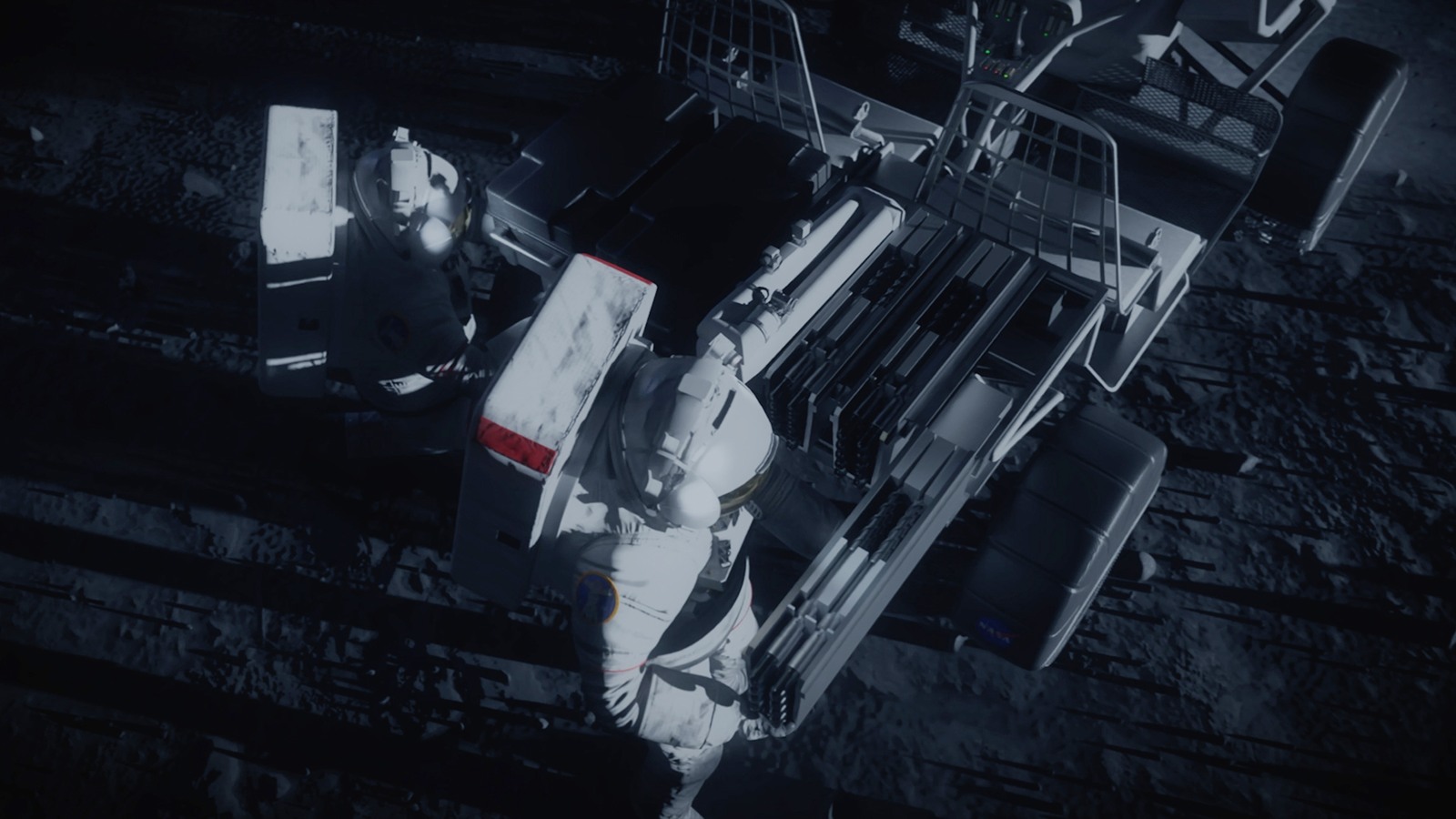
NASA's October 20 update sets out several different jobs for the rovers intended to support its planned Moon Base. Some vehicles would search for resources, while others would carry astronauts or map the terrain remotely. The programme is still in development, and the pictures accompanying the announcement include illustrations of future operations.
The robotic VIPER rover is designed to investigate water and other volatile substances near the lunar south pole. NASA says the vehicle is built and undergoing final tests, with a 2027 mission planned. Its observations would help scientists understand how resources are distributed and what conditions a future surface operation might encounter.
Vehicles intended for astronauts form a separate part of the programme. NASA has awarded work to Astrolab and Lunar Outpost for lunar terrain vehicles, with delivery to the Moon targeted before crewed surface missions. Before astronauts arrive, the vehicles would be driven remotely from Earth to gather mapping and operating experience.
Testing is not limited to checking that a rover can move. Astronauts wearing spacesuit mock-ups or pressurised suits have assessed layouts, controls and comfort. A vehicle that looks workable in a drawing still has to accommodate bulky equipment, limited movement and the practical steps required to enter, drive and leave it.
The two companies are also preparing wheel and soil tests at NASA's Glenn Research Center. The lunar environment creates a difficult combination of loose ground, harsh temperatures, changing illumination and restricted energy. Trials on Earth help engineers compare designs, although a simulated surface cannot reproduce every condition of an actual lunar mission.
NASA's timetable describes intended milestones, including further design reviews and flight hardware delivery. It should not be read as evidence that astronauts already have these vehicles operating on the Moon. The immediate story is the movement from concepts and mock-ups toward tested machines, with scientific prospecting and human transport serving different needs.