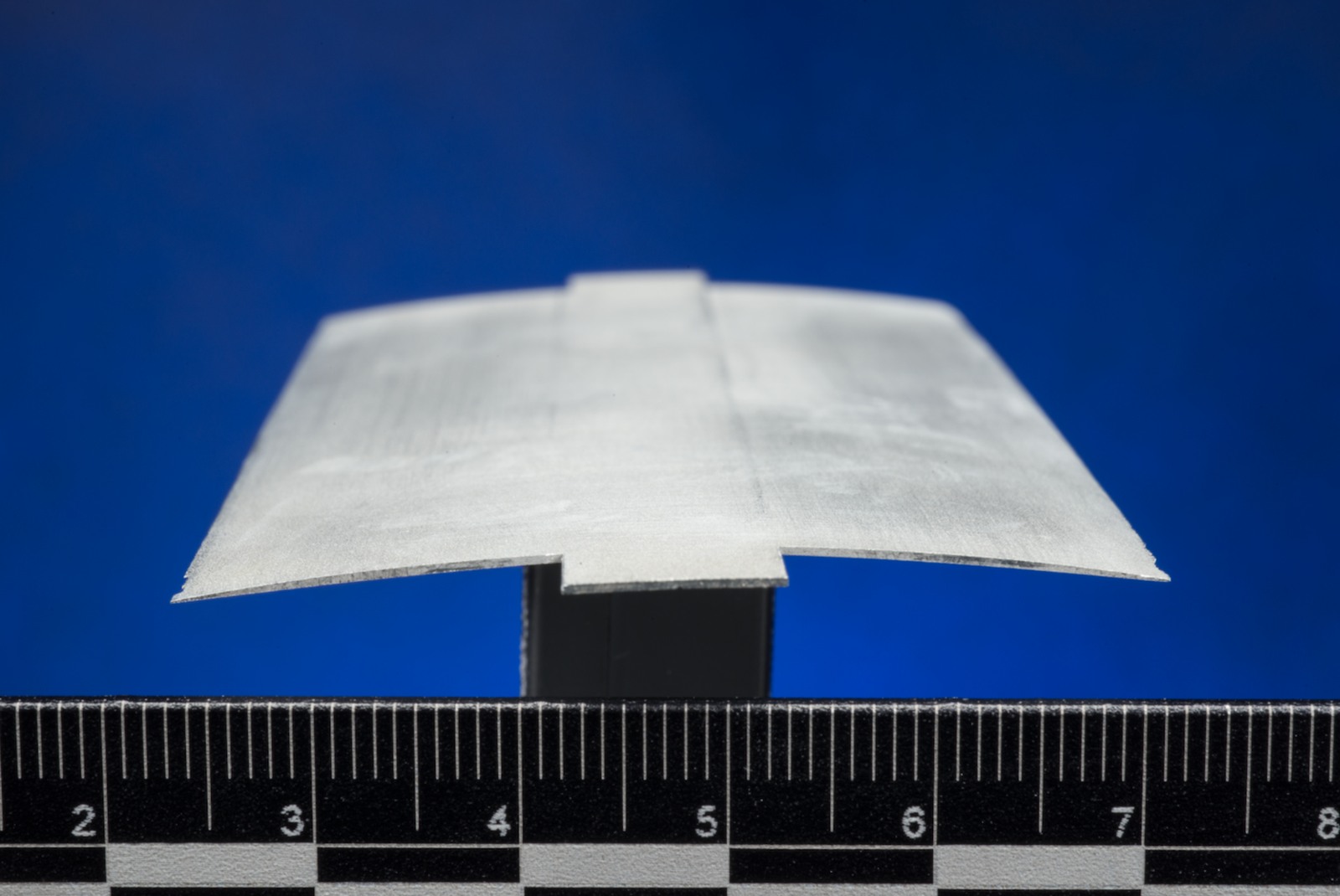
NASA researchers dey investigate very thin, sharp rotor blade wey fit help future helicopters travel farther for Mars. Their October 20 report describe computer modelling and wind-tunnel tests for airfoil wey dem call roamx-0201. Na experimental part dem dey study; dem never launch new aircraft with am.
To fly for Mars hard because the atmosphere thin. Rotor must produce enough lifting force under conditions wey different well from Earth surface. Engineers also need understand wetin happen when blade speed approach speed of sound for that atmosphere, because resistance fit rise sharply and spoil performance.
The team use detailed simulations and design algorithms to compare different shapes with the blade Ingenuity use. Their new candidate thinner and the two sides no get the same shape. NASA say tests show better performance and better behaviour when airflow angle push the blade toward stall, when lifting force dey reduce.
One unusual thing na how the blade handle air near its surface. The design deliberately disturb the thin layer of air near the front edge. Under the conditions dem study, this disturbance help produce lift. E no mean every disturbance go help every aircraft; na result for this particular design.
Computer models suggest say flight range fit improve well compared with Ingenuity. But those numbers no be distances wey the new blade don actually fly. Complete helicopter still need motors, strong body, power storage, navigation and science instruments. Success for one component no prove say the whole aircraft don ready.
NASA say this work fit support missions after the planned SkyFall helicopters. More tests must explain differences between computer predictions and real measurements before the technology ready for Mars. Wetin dem achieve now na stronger evidence for one design direction wey fit widen future exploration on another planet.