Uganda dey strengthen scientific work wey fit identify suspected wildlife products correctly. UN News report on 3 October say Wildlife Forensics and Timber Laboratory for Entebbe dey help investigators examine material wey people don cut, change or remove the features wey normally show which animal e come from.
The centre build on wildlife forensics pilot wey government and international partners start for 2019. UN Office on Drugs and Crime, Denmark and European Union don support the development. For April, the current laboratory add timber forensics to the work, which bring another kind of identification challenge.
How sample reach laboratory matter as much as the machine wey dem use test am. Scientists photograph evidence, document sampling and seal material before transport. If seizure too big, dem fit collect samples for police station instead of carrying everything to Entebbe. This process help connect the exhibit with the test result.
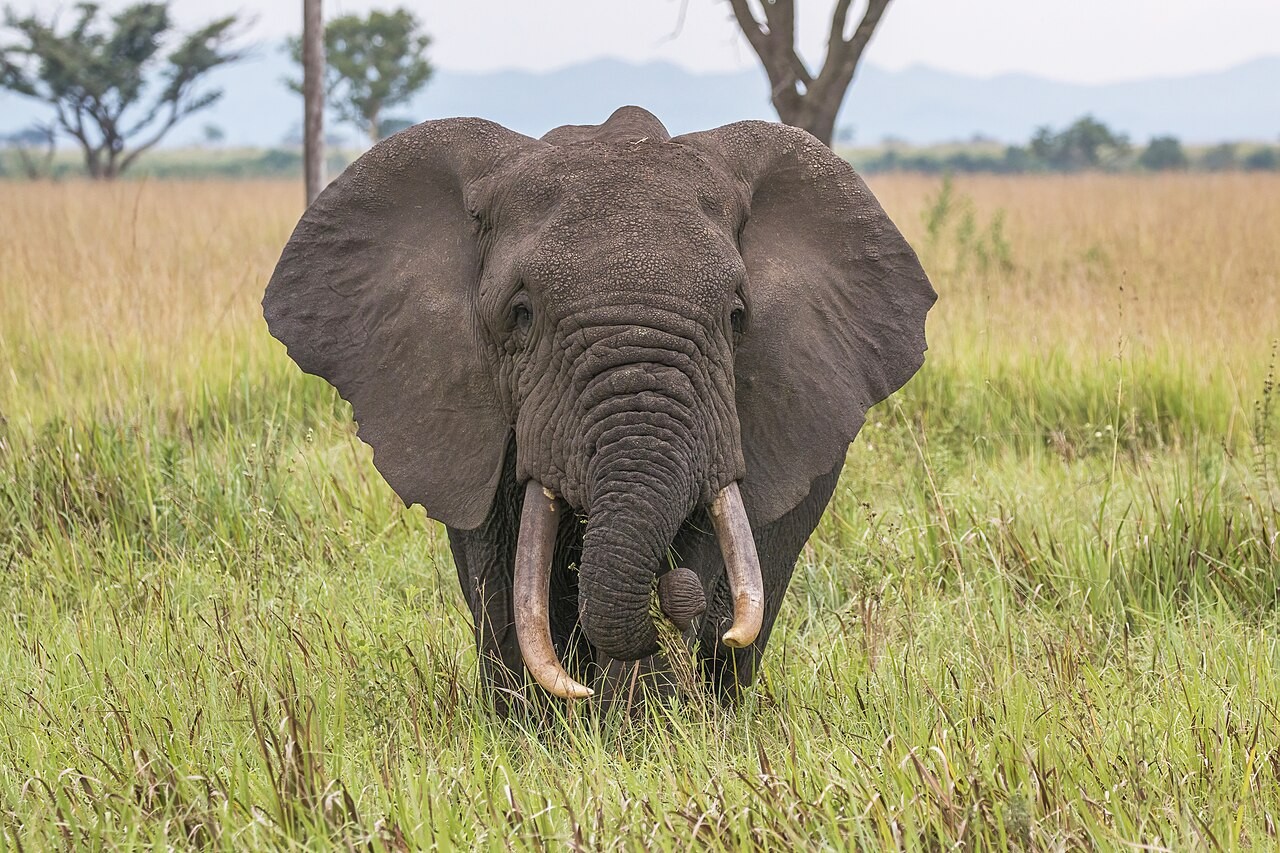
DNA test fit tell different species apart when meat, skin or ivory pieces no clear by eye. Laboratory manager Patrick Chiyo describe work on elephant ivory, pangolin scales and bushmeat. To identify species gives investigators evidence, but e no automatically explain everybody's role inside one trading network.
Timber get another issue because some tree harvesting dey lawful. Chiyo tell UN News say to identify wood and to prove whether somebody obtain am illegally fit require different questions. So dem no suppose treat the new timber work as exact copy of the laboratory's animal procedures.
The wider lesson for conservation na say enforcement need reliable information alongside field patrol. Continued support, careful evidence handling and cooperation between institutions go determine the laboratory's value. Chiyo also stress livelihoods and prevention, showing say science na part of wider response, no be complete answer by itself.