To protect fishing lake, people need look beyond where boat dey touch water. Na the main lesson from August UN News report for Nkondo, Uganda Kikuube district, where Lake Albert dey provide food and income. This analysis use that dated account; e no be fresh test of water quality.
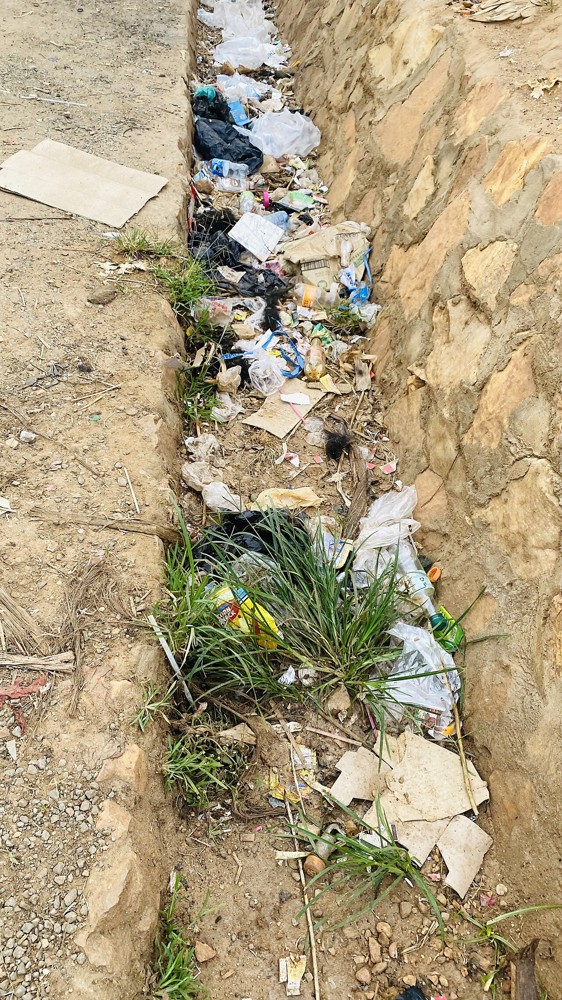
Fishing-community leader Solomon Wamara warn say plastic and other rubbish fit damage where fish dey breed. E also name Wambaya, Waki and Nguse rivers as routes wey pollution take enter lake. So the matter pass shoreline reach land and settlements wey connect to those rivers.
Wamara support regular community cleaning, but e say conservation suppose consider fishing families' money situation. The two things matter together: collecting waste na practical work, but people wey dem expect to join still need sustainable income. Responsibility for environment and household livelihood dey connected.
District commissioner Godwin Angalia describe efforts to protect rivers wey feed the lake and Bugoma Forest, together with community committees for fisheries management. Fishers' knowledge fit show local conditions and wetin happens when people catch young fish. Their participation also open way to discuss rules and problems for their work.
The report record community worries and officials' descriptions of action. E no provide new laboratory measurement of pollution, exact drop in fish numbers or proof say one cleanup don restore breeding habitat. To establish those things, researchers need different evidence from the interviews wey the report carry.
Lake Albert case matter because e show conservation as work for connected water system. To clean one boat landing place alone no fit stop rubbish wey come from upstream. The practical task na to coordinate families, fishers and authorities, then check whether their work really dey improve environment as time pass.