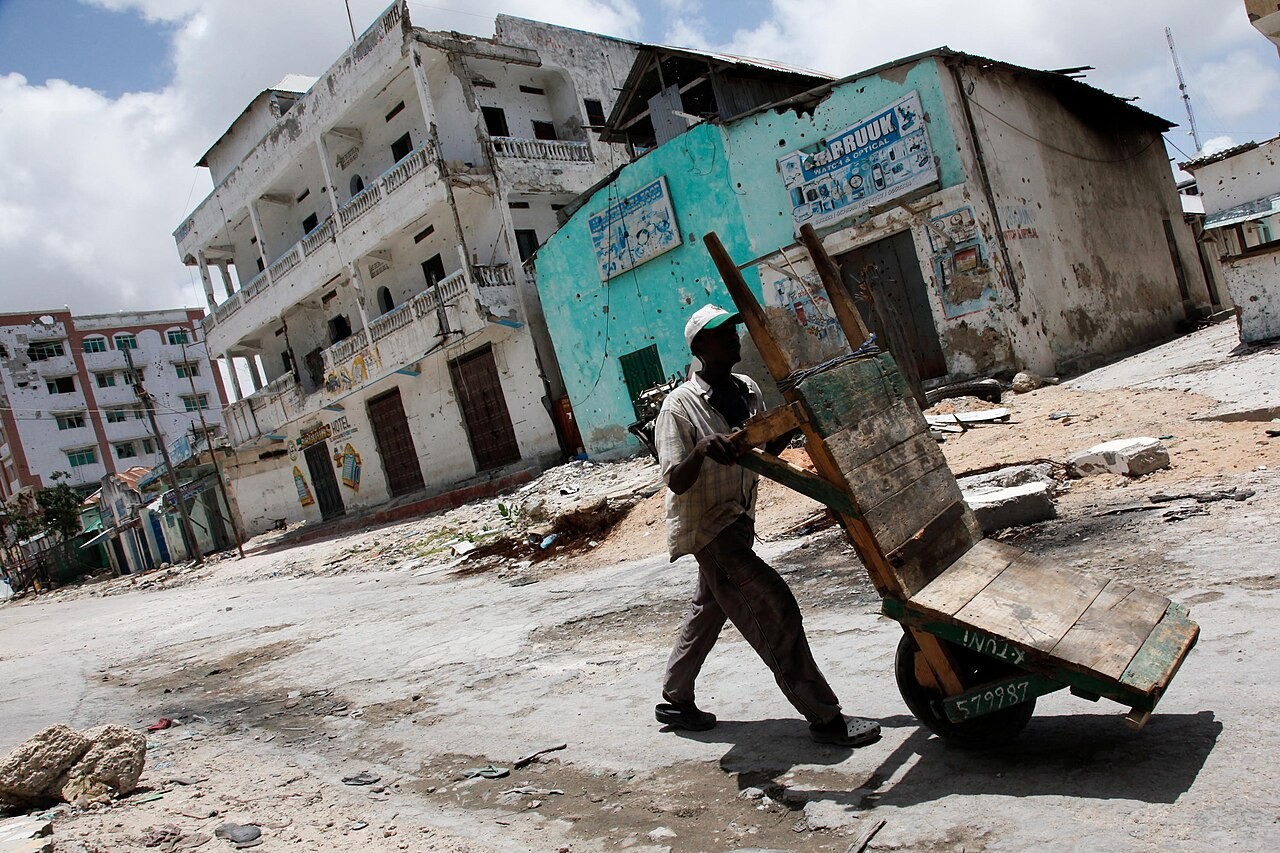
August account of food assistance for Somalia give practical test for artificial intelligence: whether information reach decision-makers early enough to change action. UN News report on 3 August say World Food Programme dey use AI-assisted analysis to help choose communities for support. This na archive analysis, no be current hunger estimate.
Part of the account focus on Burhakaba district, where WFP combine information from im teams and partners to detect worsening conditions. The agency report food assistance for 48,000 people and nutrition support for 3,000 women and children. These figures describe response for that time, no be new allocation today.
HungerMap Live start for January 2020 as food-security monitoring platform. April 2026 update add predictive features and new interface. WFP describe how e combine rainfall, flood, market price and nutrition signals to understand where conditions fit worsen and where dem fit position assistance earlier.
The difference between prediction and observation still matter. WFP clearly say the platform no fit replace assessment for ground. Model fit point to area wey deserve attention, but workers and partners still need establish local needs and choose the kind support wey go fit the community.
The agency also warn say better prioritisation no create the resources wey dem need to reach everybody. Na useful limit for claims about technology: to shorten time between warning and decision get value, but that one different from funding, transporting and delivering assistance to families.
So Somalia example support question wey more specific than whether AI fit end hunger. Can the information improve decisions, can field teams check am, and can resources follow? The August report show technology role inside these steps, while shortage of support still remain separate problem.